

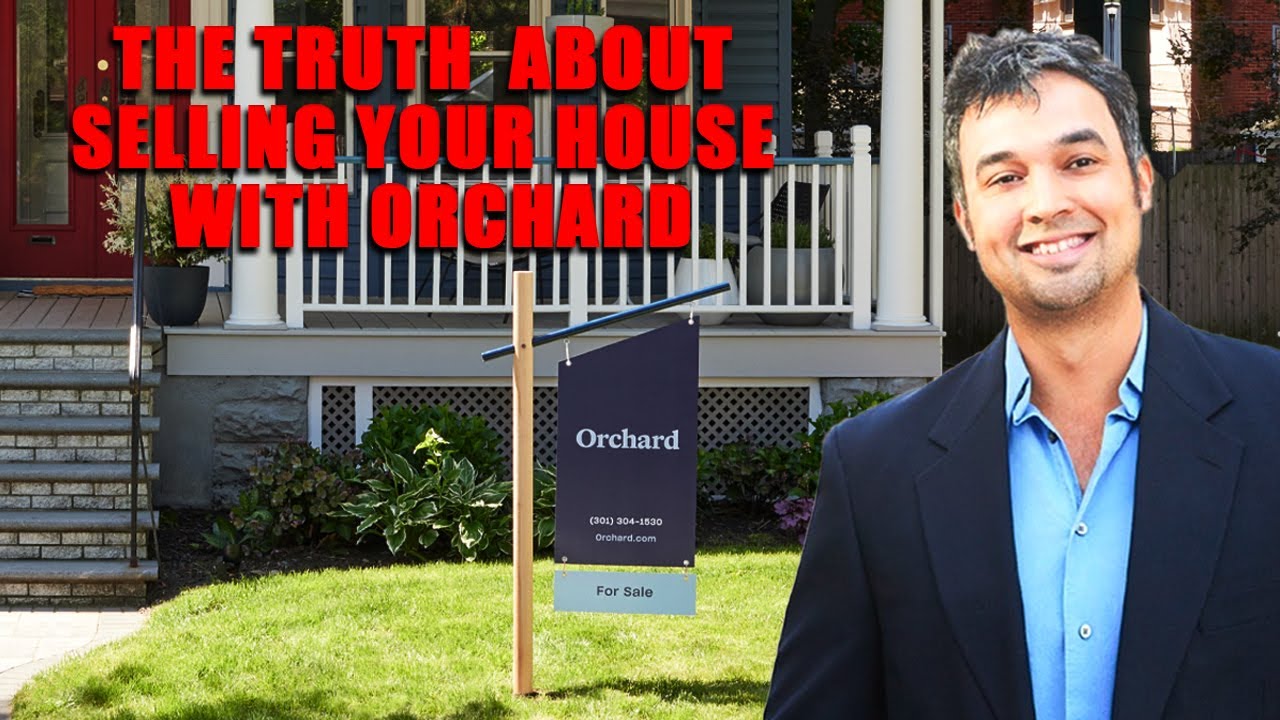
Beginning with Orchard Real Estate Fees vs. 6% Commissions: Which Costs You More?, the narrative unfolds in a compelling and distinctive manner, drawing readers into a story that promises to be both engaging and uniquely memorable.
As we delve into the world of real estate fees and commissions, the comparison between Orchard Real Estate Fees and traditional 6% commissions unveils interesting insights that can significantly impact sellers.
Understanding Orchard Real Estate Fees
Orchard Real Estate Fees are a modern alternative to traditional real estate commissions that aim to simplify the selling process and reduce costs for sellers. Unlike the standard 6% commission model, Orchard charges a flat fee for their services, which can potentially save sellers thousands of dollars.
Key Features of Orchard Real Estate Fees
- Flat Fee Structure: Orchard charges a fixed fee instead of a percentage of the sale price, making it more predictable for sellers.
- Technology-driven Approach: Orchard uses data and technology to streamline the selling process, reducing time on market and increasing efficiency.
- No Upfront Costs: Sellers do not have to pay anything upfront when working with Orchard, providing more flexibility.
Benefits and Drawbacks of Orchard Real Estate Fees
- Benefits:
- Cost Savings: Sellers can potentially save thousands of dollars compared to traditional commissions.
- Transparency: The flat fee structure provides clarity on costs from the beginning.
- Efficiency: Orchard's technology-driven approach can lead to a faster selling process.
- Drawbacks:
- Limited Service: Some sellers may prefer the full-service approach offered by traditional real estate agents.
- Market Knowledge: Orchard's technology may not always capture the nuances of local real estate markets as well as a traditional agent.
- Personalized Attention: Sellers who value personal relationships and one-on-one guidance may find Orchard's model lacking in this aspect.
Factors Influencing Orchard Real Estate Fees
 When it comes to Orchard Real Estate Fees, several factors come into play that determine the overall cost for sellers. Understanding these factors can help sellers make informed decisions and potentially save money in the process.
1. Property Value
The value of the property being sold is a significant factor in determining Orchard Real Estate Fees. Higher-priced properties typically incur higher fees due to the larger commission percentage involved.- Example: A property valued at $1 million may result in higher fees compared to a property valued at $500,000, even if the commission percentage remains the same.
2. Location
The location of the property can also impact Orchard Real Estate Fees. Properties in prime locations or desirable neighborhoods may command higher fees due to increased demand and competition among agents.- Example: A property located in a sought-after area may result in higher fees compared to a property in a less desirable location, even if the services provided are similar.
3. Agent Expertise and Reputation
The expertise and reputation of the real estate agent can influence the fees charged. Experienced agents with a proven track record may charge higher fees based on their skills, knowledge, and ability to deliver results.- Example: An agent with a strong reputation for selling properties quickly and at top dollar may justify higher fees compared to an agent with less experience or success in the market.
4. Market Conditions
Market conditions play a crucial role in determining Orchard Real Estate Fees. A competitive market with high demand and low inventory may result in higher fees, as agents may have more leverage in negotiating their commission rates.- Example: During a seller's market where properties are selling quickly and for above asking price, agents may charge higher fees due to the high demand for their services.
6% Commissions in Real Estate
Calculation and Coverage of 6% Commissions
The 6% commission is calculated based on the total sale price of the property. For example, if a house sells for $300,000, the total commission would be $18,000 (6% of $300,000). This commission is typically split evenly between the buyer's agent and the seller's agent, with each receiving 3%.The services covered by the 6% commission include listing the property on the market, marketing and advertising efforts, hosting open houses, negotiating offers, coordinating inspections, and guiding clients through the closing process. Essentially, the 6% commission covers the full range of services provided by a real estate agent in a traditional transaction.Comparison with Other Pricing Models
In comparison to other pricing models in real estate, the 6% commission structure is a percentage-based fee that is common in the industry. However, there are alternative pricing models, such as flat-fee listings or discount brokerages, that offer different commission structures. These alternative models may charge a flat fee for services or a lower percentage commission, providing sellers with more flexibility in how they pay for real estate services.Overall, the 6% commission remains a widely used pricing model in real estate, but it is important for sellers to be aware of alternative options and consider their specific needs and preferences when choosing a pricing structure for their real estate transactions.Cost Analysis
When comparing Orchard Real Estate Fees and 6% Commissions, it's crucial to understand the impact each option can have on your overall costs as a seller. Let's dive into a detailed cost analysis to help you make an informed decision.Comparison of Costs
- Orchard Real Estate Fees: Orchard charges a flat fee for their services, which can vary depending on the value of your property. This fee typically ranges from 6-10% of the selling price. While this may seem high compared to traditional commissions, it can be more cost-effective for higher-priced properties.
- 6% Commissions: Traditional real estate agents often charge a commission of 6% of the selling price. This means that for a $500,000 home, you would pay $30,000 in commissions. While this is a standard rate, it can add up to a significant amount for sellers.
Scenarios and Cost-Effectiveness
- In scenarios where you are selling a higher-priced property, Orchard Real Estate Fees may be more cost-effective due to their flat fee structure. Conversely, for lower-priced properties, sticking with the traditional 6% commission model may result in lower overall costs.
Hidden Fees and Additional Charges
- When evaluating Orchard Real Estate Fees or 6% Commissions, sellers should also consider any hidden fees or additional charges that may apply. These could include marketing expenses, administrative fees, or closing costs that can impact the final amount you pay.
- It's essential to thoroughly review the terms and conditions of both options to ensure you have a clear understanding of all potential costs involved before making a decision.
Ending Remarks
In conclusion, the debate between Orchard Real Estate Fees and 6% Commissions highlights the complexities of real estate transactions. Understanding the costs associated with each option is crucial for sellers to make informed decisions that align with their financial goals.
Questions Often Asked
What are Orchard Real Estate Fees?
Orchard Real Estate Fees are a unique pricing structure that differs from traditional real estate commissions. They aim to provide sellers with an alternative way to sell their property without the standard 6% commission.
How do market conditions influence Orchard Real Estate Fees?
Market conditions can impact Orchard Real Estate Fees by affecting the demand for properties, which in turn may lead to adjustments in the fees charged by Orchard.
What services are covered by 6% commissions?
6% commissions typically cover services such as listing the property, marketing, negotiations, and closing assistance. It is a common pricing model in the real estate industry.
Are there hidden fees to consider when choosing between Orchard Real Estate Fees and 6% Commissions?
Sellers should be aware of any additional charges or hidden fees that may come with either option, such as transaction fees, administrative costs, or inspection charges.








![Real Estate Agent Commission Split Calculator [Interactive]](https://realestate.aspirasiku.id/wp-content/uploads/2026/05/NAR-Settlement-Impact-NYC-Real-Estate-Commissions-1024x1024-1-120x86.jpg)